Heat Pipe Production Line: Process and Equipment Guide
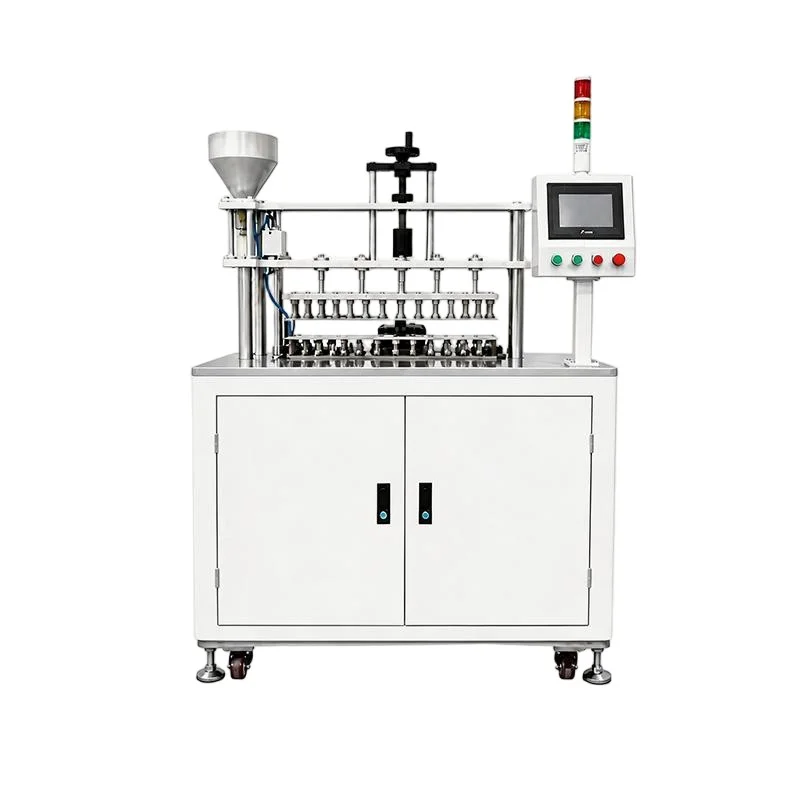
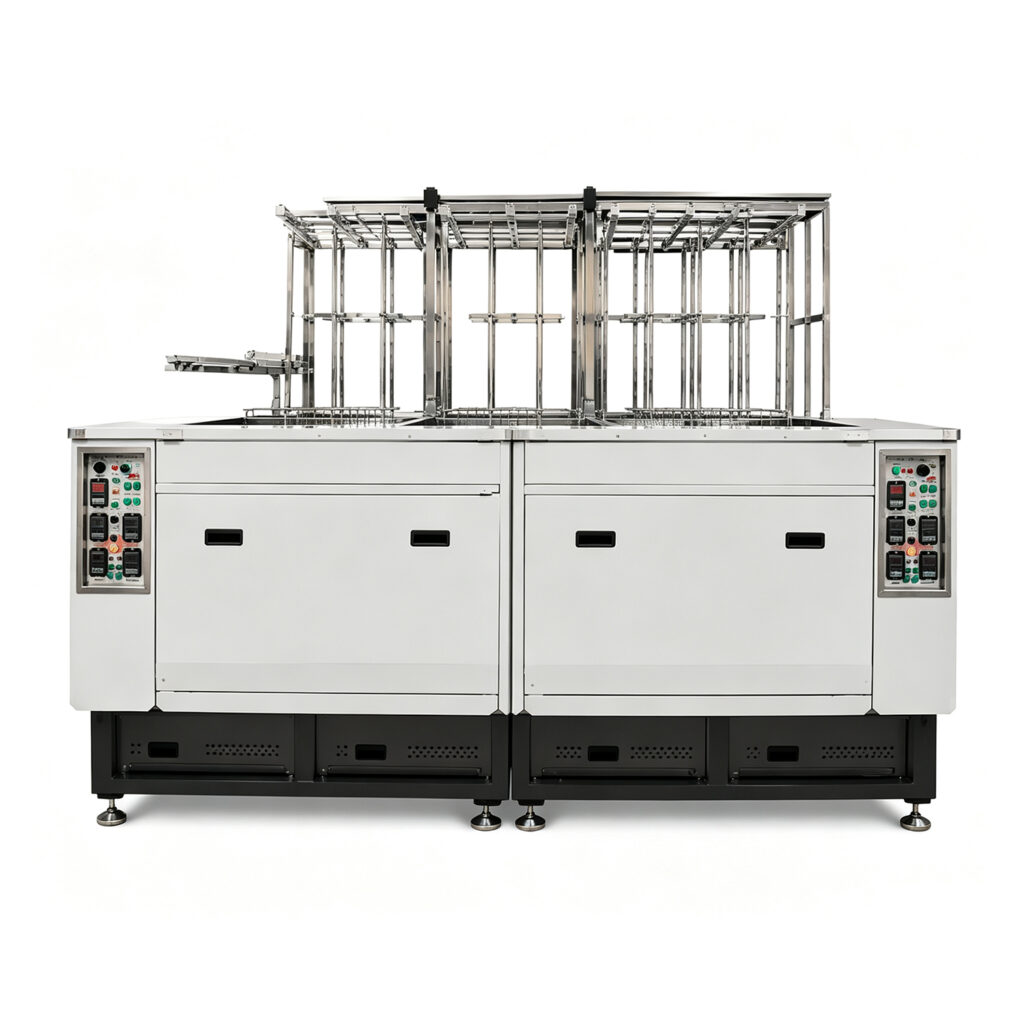
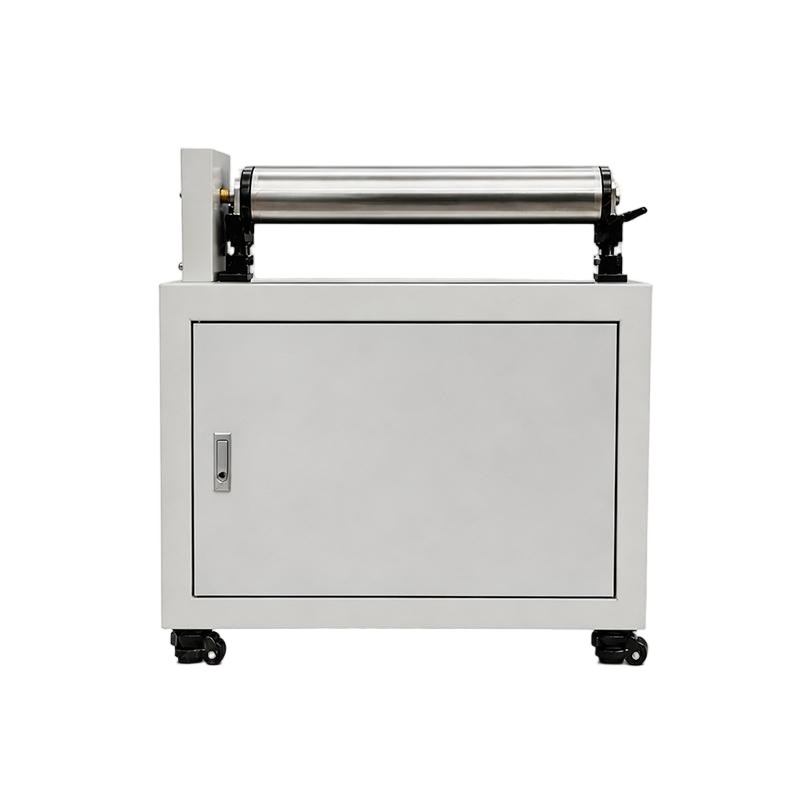
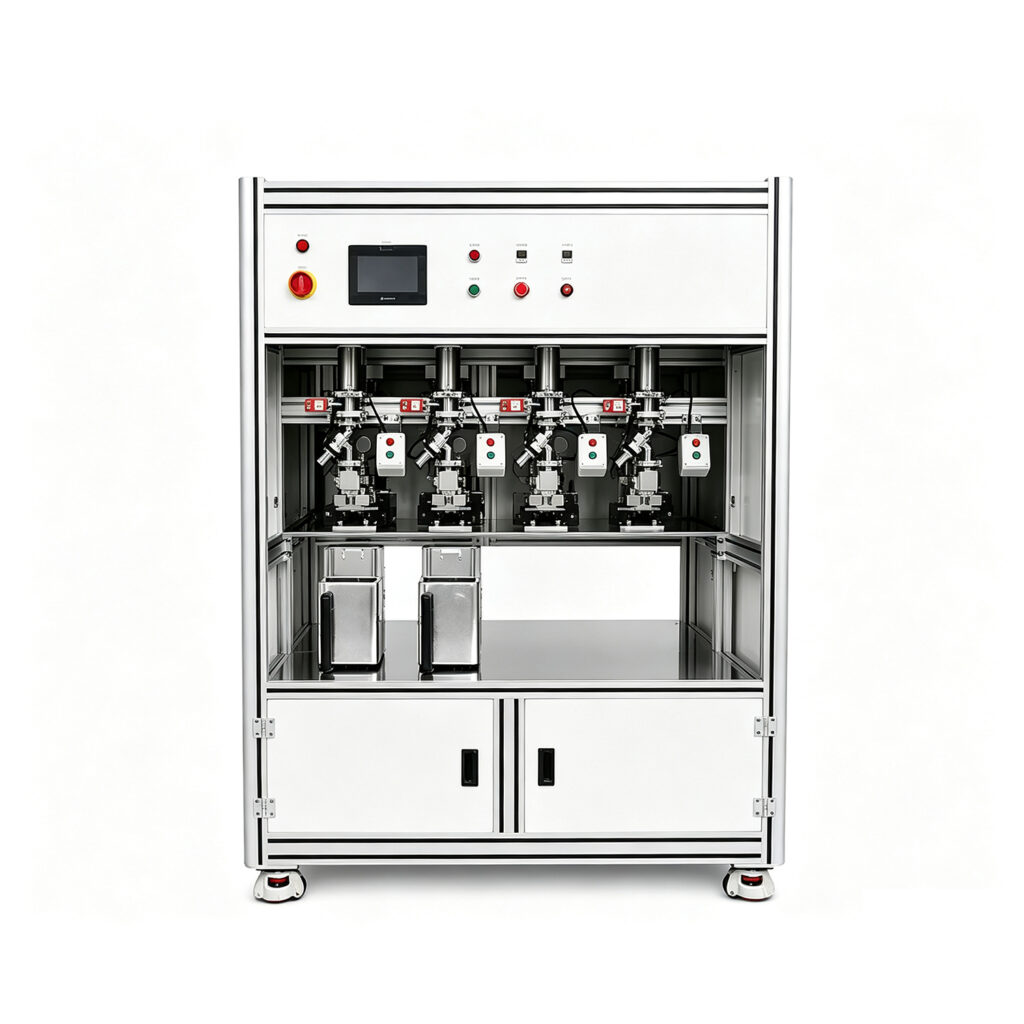
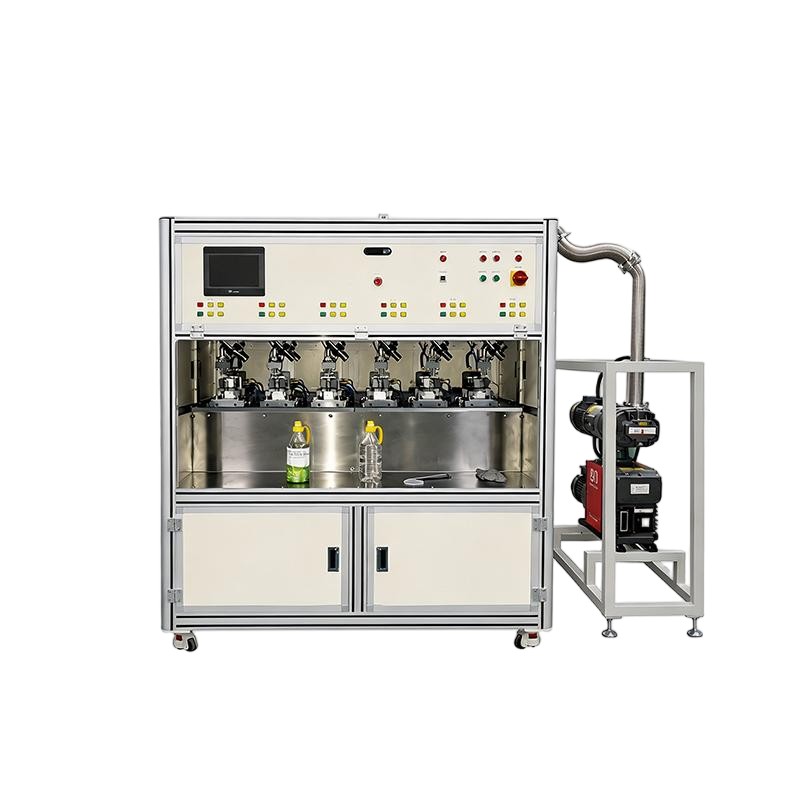
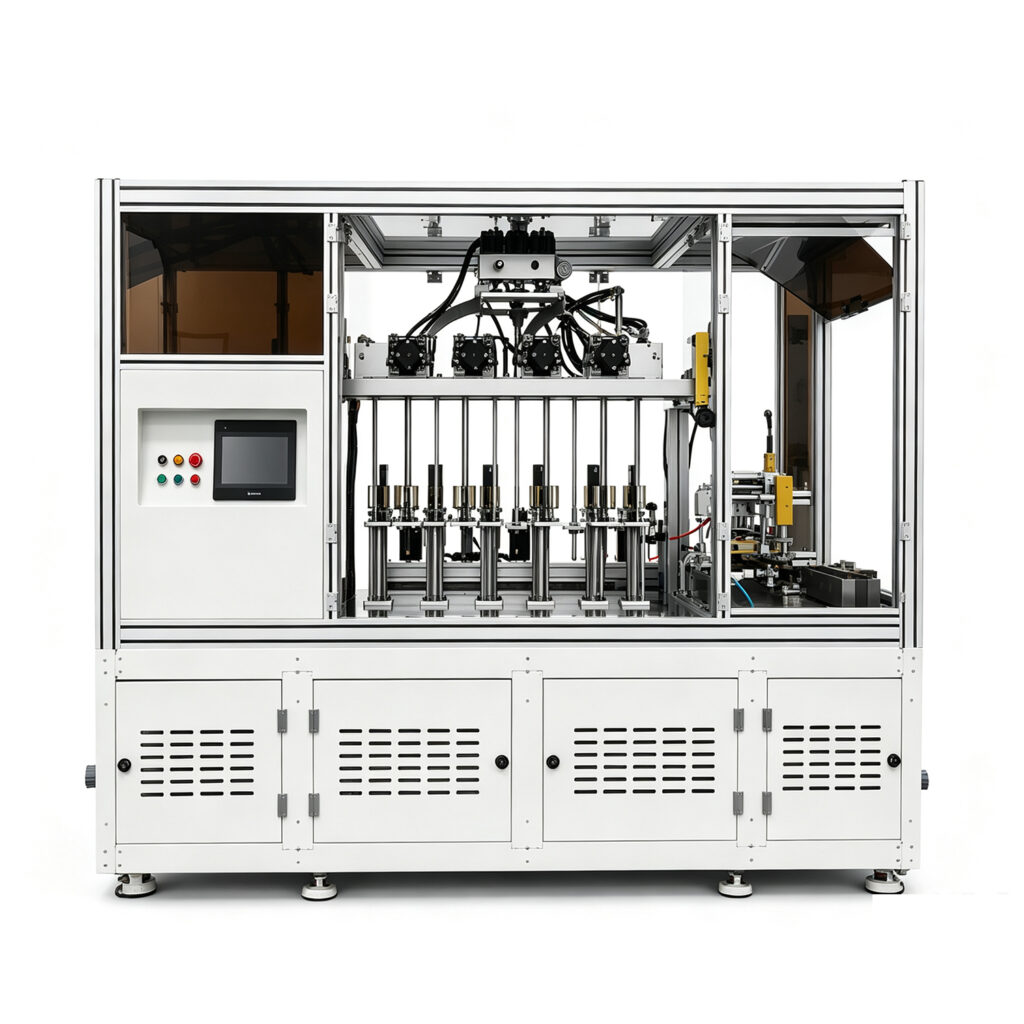
Heat Pipe Production Line: Process and Equipment Guide 1. Introduction to Heat Pipe Manufacturing A Heat Pipe Production Line connects specialized machines for manufacturing sealed heat transfer components. It supports the complete process, from raw tube preparation to finished product inspection. Heat pipes transfer thermal energy through phase change. Their internal working fluid evaporates near the heat source. Then, vapor moves toward a cooler section and condenses. Meanwhile, the wick structure returns liquid through capillary action. This circulation supports continuous heat transfer. Manufacturers need suitable equipment to control every important operation. These operations include forming, wick preparation, internal treatment, fluid filling, and sealing. A typical manufacturing system may include: Tube cutting and preparation equipment Tube necking and forming machines Powder filling equipment Vacuum sintering furnaces Dry-out and internal preparation equipment Working-fluid filling systems Welding and sealing machines Leak inspection equipment Thermal performance testers However, each factory requires a different configuration. Product dimensions, materials, wick structures, and production targets influence equipment selection. For example, sintered-wick heat pipes require powder processing. Mesh-wick products need suitable mesh insertion and positioning. Therefore, manufacturers should define product requirements before designing their production systems. 2. Heat Pipe Production Line: Manufacturing Process A well-organized Heat Pipe Production Line follows a coordinated manufacturing sequence. Each operation prepares the workpiece for subsequent processing. The following workflow describes a typical copper heat pipe with a sintered wick. Other designs may require different process arrangements. Typical manufacturing workflow 01 Tube preparation Select, cut, and inspect metal tubes. 02 Tube forming Create the required dimensions and geometry. 03 Powder filling Introduce metal powder into the tube. 04 Vacuum sintering Create the porous wick structure. 05 Internal preparation Remove moisture and prepare the workpiece. 06 Fluid filling and sealing Introduce working fluid and close the tube. 07 Quality inspection Check sealing integrity and thermal performance. 2.1 Raw Tube Selection and Cutting First, manufacturers select suitable metal tubes. Copper works well for many electronic cooling applications. Next, cutting equipment prepares tubes according to product dimensions. Consistent cutting helps maintain stable downstream processing. Operators should inspect tube surfaces and dimensions. They should also control burrs and contamination. 2.2 Tube Forming and Necking After cutting, manufacturers prepare the required tube geometry. A necking machine reduces the diameter at designated positions. This operation supports specific forming and sealing requirements. However, different product designs require different tooling. Therefore, manufacturers should confirm material compatibility and forming dimensions. 2.3 Wick Structure Preparation The wick structure supports liquid return inside the heat pipe. It influences capillary performance and overall thermal behavior. Manufacturers commonly use sintered powder, metal mesh, or grooves. For sintered designs, powder filling introduces metal particles into the tube. A subsequent sintering process forms the porous structure. Meanwhile, mesh-wick designs require suitable mesh preparation. Grooved structures need different forming methods. 2.4 Sintering and Internal Preparation For sintered-wick products, a vacuum sintering furnace supports porous structure formation. Manufacturers must control the heating process. Next, internal preparation removes moisture and unwanted residues. Suitable dry-out procedures help prepare the workpiece. However, dry-out, cleaning, and degassing serve different purposes. Manufacturers should define each operation separately. 2.5 Working-Fluid Filling and Sealing After internal preparation, manufacturers introduce the specified working fluid. Water commonly serves copper heat pipes designed for suitable temperature ranges. However, working-fluid selection depends on operating conditions and material compatibility. Filling quantity also depends on product design. Internal volume, wick structure, and operating conditions all matter. Finally, suitable welding equipment seals the tube. Manufacturers should validate joint quality and sealing integrity. 2.6 Final Inspection and Testing Finished heat pipes require suitable quality checks. Manufacturers should perform leak inspection and thermal performance testing. Leak testing evaluates sealing integrity. Thermal testing evaluates heat transfer under defined conditions. Therefore, manufacturers should maintain separate inspection procedures. They should also record relevant production parameters. 3. Main Equipment for Heat Pipe Manufacturing A complete Heat Pipe Production Line combines machines with different functions. Equipment selection should reflect the manufacturing process. 3.1 Tube Cutting Machine Tube cutting equipment prepares workpieces for manufacturing. It helps establish consistent tube lengths. Important selection factors include: Compatible tube materials Supported diameter range Cutting length adjustment Cutting consistency Burr control Loading and unloading methods Furthermore, automated cutting can reduce repetitive manual work. It can also improve production consistency. Internal link opportunity: Heat Pipe Automatic Tail Cutting Machine 3.2 Heat Pipe Necking Machine A necking machine reduces tube diameter in selected areas. It supports specific product forming requirements. Manufacturers should evaluate tooling compatibility and forming accuracy. They should also consider tube wall thickness. Internal link opportunity: Heat Pipe Necking Machine 3.3 Heat Pipe Powder Filling Machine Powder filling equipment introduces metal powder into heat pipe tubes. It mainly supports sintered-wick manufacturing. Consistent powder distribution helps establish the intended wick structure. However, filling conditions depend on powder properties and tube geometry. Manufacturers should evaluate material handling and filling consistency. Internal link opportunity: Heat Pipe Powder Filling Machine 3.4 Vacuum Sintering Furnace A vacuum sintering furnace forms porous metal structures through controlled heating. It supports sintered wick production. The required process depends on powder composition and tube material. Manufacturers should validate the heating profile for each product. Furthermore, furnace capacity influences batch planning. Loading arrangements also affect production organization. Internal link opportunity: Vacuum Sintering Furnace 3.5 Heat Pipe Multi-Station Dry-Out Tester A multi-station dry-out tester supports moisture removal and internal preparation. Multiple stations can handle several workpieces within one cycle. However, machine functions depend on the configuration. Buyers should confirm heating, vacuum, monitoring, and station capabilities. Internal link opportunity: Heat Pipe Multi-station Dry-out Tester 3.6 Heat Pipe Filling and Welding Machine This machine supports working-fluid filling and tube sealing. It coordinates important final manufacturing operations. Manufacturers should evaluate filling control and welding compatibility. They should also check product positioning and process repeatability. Different materials and joint geometries may require different welding methods. Internal link opportunity: Heat Pipe Filling & Welding Machine 3.7 Heat Pipe Thermal Performance Tester Thermal testing equipment evaluates heat transfer under defined conditions. It helps manufacturers assess product performance. Testing parameters may include heating power and temperature distribution. The test method should match
Heat Pipe Production Line: Process and Equipment Guide Read More »