
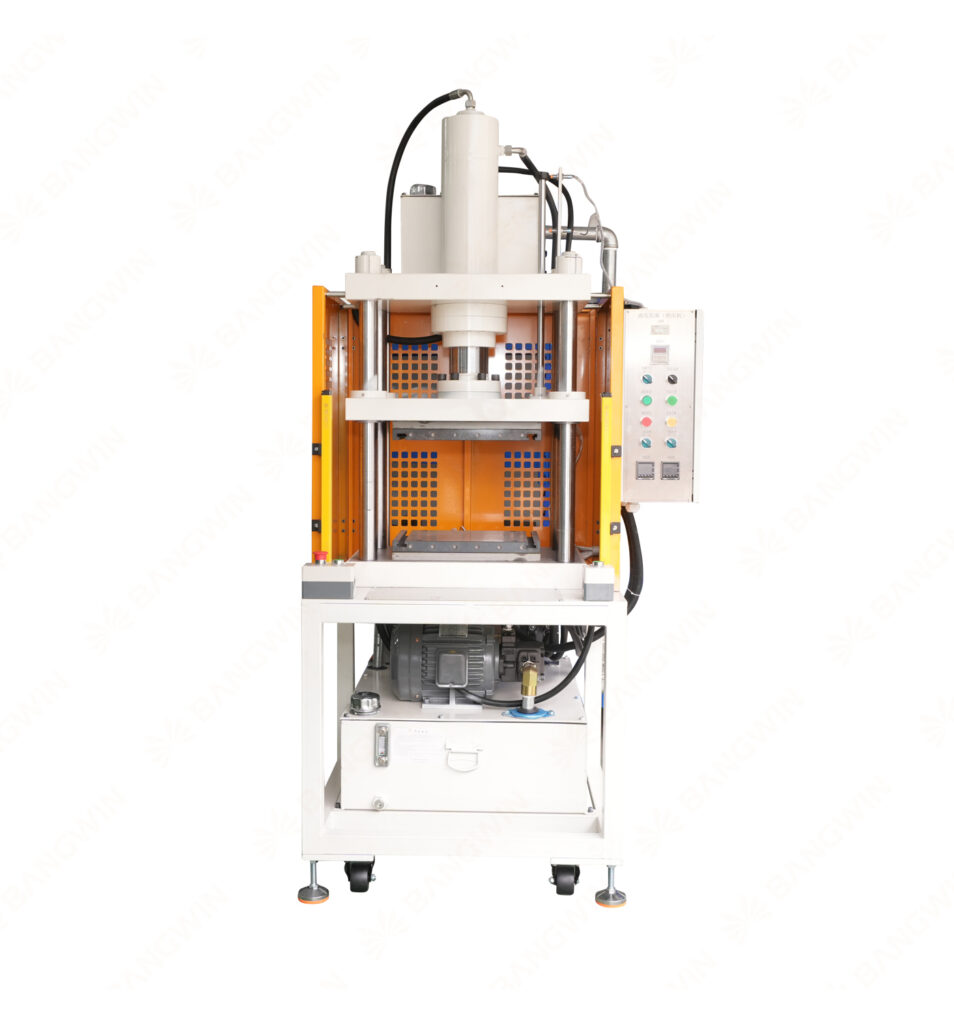
VC Water Bath Bubble Leak Tester for Leak Detection
A VC Water Bath Bubble Leak Tester helps manufacturers inspect vapor chambers for potential leakage by observing bubbles released from a submerged test component. This testing method provides a straightforward way to identify certain leaks and evaluate sealing quality during manufacturing.
Vapor chambers support thermal management in smartphones, laptops, tablets, and other electronic devices. Inside each chamber, a working fluid transfers heat through evaporation and condensation. However, leakage can compromise the sealed internal environment and affect thermal performance.
Therefore, manufacturers need effective inspection procedures after sealing. A water bath bubble leak tester offers a practical visual inspection method when the product design, test conditions, and acceptance criteria suit this approach.
For vapor chamber manufacturers, the testing process should fit into a broader quality-control system. It should complement sealing-process validation, dimensional inspection, and other required reliability tests.
cncoolingthermal focuses on equipment for vapor chamber and thermal management manufacturing. Manufacturers can explore related equipment through the company’s website: https://cncoolingthermal.com/.
This article explains how a VC Water Bath Bubble Leak Tester works, its main benefits, application considerations, and how to select suitable testing equipment.
1. What Is a VC Water Bath Bubble Leak Tester?
A VC Water Bath Bubble Leak Tester is inspection equipment designed to help identify leaks in vapor chambers through a submerged bubble observation process.
In this context, VC refers to a vapor chamber. A typical vapor chamber contains a sealed cavity, a working fluid, and a wick structure. These components work together to spread heat across the chamber.
The chamber’s enclosure must maintain the required internal conditions. If a leak develops, the working fluid may escape, or unwanted gases may enter. Either situation can affect product reliability.
A water bath bubble leak tester places the test component in water or another suitable test liquid. The operator then applies the specified test conditions, which may involve a pressure differential. If gas escapes through a leak, visible bubbles may appear at the defect location.
The precise testing procedure depends on the chamber construction and equipment design. Manufacturers must also consider whether water exposure could affect the product or its internal materials.
This method is particularly useful when manufacturers need a simple, visible way to identify certain leakage defects. However, it does not automatically replace more sensitive leak-detection methods.
Internal link opportunity: Link the anchor text Vapor Chamber Production Line to the corresponding equipment page on your website.
2. Why Vapor Chambers Need Leak Testing
Leak testing is an important quality-control step because vapor chambers depend on a sealed internal environment.
2.1 Maintaining the Internal Working Fluid
A vapor chamber transfers heat through the phase change of its working fluid. The fluid evaporates near a heat source and condenses in cooler regions.
A leak can gradually reduce the amount of working fluid inside the chamber. Consequently, the device may no longer deliver its intended thermal performance.
Leak testing helps manufacturers identify defective units before they move to subsequent production stages.
2.2 Verifying Sealing Quality
Laser welding and other joining processes can produce defects under unsuitable conditions. Examples include incomplete joints, pores, cracks, and inconsistent seam formation.
These defects may create leakage paths. Therefore, manufacturers should verify sealing integrity rather than relying on visual inspection alone.
A water bath bubble leak tester can help reveal certain defects when the leak rate and test conditions produce visible bubbles.
2.3 Supporting Production Quality Control
Manufacturers need repeatable inspection procedures across production batches. A defined leak-testing process helps operators apply consistent test conditions and acceptance criteria.
In addition, recording results can help identify recurring issues associated with specific products, fixtures, or sealing parameters.
2.4 Reducing the Risk of Defective Products
Detecting leakage before final assembly can reduce the risk of defective chambers entering finished electronic devices.
However, the effectiveness of this method depends on its sensitivity and the test procedure. Manufacturers should confirm that the method can detect the defect sizes relevant to their product requirements.
3. How a Water Bath Bubble Leak Tester Works
The basic principle involves observing gas escaping from a submerged component under specified test conditions.
A typical testing workflow includes the following stages.
Step 1: Prepare the Test Component
The operator checks the vapor chamber for visible damage, contamination, or other conditions that could interfere with testing.
The component should also meet the preparation requirements defined by the manufacturer. If water exposure is unsuitable for the product, another method may be necessary.
Step 2: Configure the Test Conditions
The operator sets up the test according to the approved procedure. Depending on the equipment and chamber design, this may involve applying a specified pressure differential.
The pressure must remain within the product’s permitted limits. Excessive pressure can deform or damage a thin vapor chamber.
Step 3: Submerge the Vapor Chamber
The operator places the component into the water bath. The test fixture should hold the component securely and allow suitable observation of the relevant sealing areas.
The liquid must provide sufficient visibility for bubble detection. Contamination, excessive foaming, or trapped surface air can make interpretation more difficult.
Step 4: Observe Bubble Formation
The operator monitors the component during the defined test period. A continuous stream of bubbles emerging from a specific location may indicate a leak.
However, bubbles can also come from trapped air or surface features. Therefore, operators must distinguish actual leakage from incidental bubbles.
Step 5: Evaluate the Result
The operator compares the observed behavior with the established acceptance criteria.
Depending on the testing procedure, the result may be recorded as pass, fail, or requiring further investigation. Manufacturers should define clear rules for handling uncertain results.
Step 6: Dry and Handle the Component
After testing, the operator follows the approved procedure for removing liquid and drying the component.
This step is important when water exposure could cause corrosion, contamination, or problems during subsequent manufacturing operations.
Internal link opportunity: Link Laser Welding Machine for Vapor Chamber to the corresponding laser welding equipment page. This connects sealing-process information with the downstream inspection process.
4. Main Components of the Testing Equipment
The exact design of a VC Water Bath Bubble Leak Tester varies by manufacturer and application. However, several components commonly support the testing process.
4.1 Water Bath
The water bath holds the test liquid and submerged component. Its dimensions should accommodate the largest product model while allowing convenient handling.
The bath should also support appropriate visibility and cleaning procedures. Material selection must suit the test liquid and the intended operating environment.
4.2 Test Fixture
The fixture positions the vapor chamber during inspection. It should hold the component securely without causing deformation.
For thin vapor chambers, fixture design is especially important. Excessive clamping force may damage the workpiece or influence the observed result.
4.3 Pressure Supply or Control System
Some testing configurations use a pressure supply or another mechanism to establish the required pressure differential.
The control system should help operators apply the specified conditions consistently. Appropriate pressure regulation and protection are essential for delicate components.
The exact pressure method depends on the product design and machine configuration.
4.4 Observation Area
The observation area allows operators to monitor bubble formation. Clear visibility helps identify the location and behavior of escaping gas.
Lighting, viewing angle, and water clarity can all affect inspection quality.
4.5 Control Interface
Depending on the machine design, the control interface may manage test sequences, timing, pressure settings, or result recording.
Manufacturers should confirm which functions the equipment actually provides. Not every water bath tester includes automatic pressure control or digital data storage.
4.6 Safety and Protection Features
The equipment should support safe handling of the test component and any pressurized system.
Depending on the design, relevant safeguards may include pressure limits, protective covers, and controlled operating procedures. The selected equipment must suit the test pressure and the product’s structural limits.
5. Key Benefits of Water Bath Bubble Leak Testing
5.1 Direct Visual Feedback
The method allows operators to observe bubbles emerging from a submerged component. This makes certain leakage defects easy to identify and locate.
However, visual feedback depends on bubble size, lighting, liquid conditions, and the operator’s experience.
5.2 Simple Testing Principle
The basic testing principle is straightforward. Operators apply the specified conditions and observe whether gas escapes from the component.
This simplicity can make the method useful for routine inspections when the product requirements allow it.
5.3 Practical for Certain Production Environments
A water bath tester may suit manufacturing operations that need a direct inspection method for specific leakage defects.
Its suitability depends on the product, required sensitivity, test throughput, and water-handling requirements.
5.4 Supports Sealing Process Evaluation
Test results can help manufacturers evaluate the performance of sealing equipment and production processes.
For example, repeated leakage near a particular seam may justify reviewing fixture alignment, surface preparation, or laser parameters.
5.5 Can Complement Other Inspection Methods
Bubble testing can form part of a broader quality-control process. Manufacturers may combine it with visual examination, dimensional inspection, and more sensitive leak-testing methods.
This layered approach helps ensure that the inspection strategy matches the product’s reliability requirements.
6. Applications in Vapor Chamber Manufacturing
A VC Water Bath Bubble Leak Tester can support leak inspection in manufacturing environments that produce sealed thermal management components.
6.1 Vapor Chamber Sealing Inspection
After sealing, manufacturers may need to verify that the chamber’s perimeter or designated joints meet the required leak-tightness criteria.
Bubble testing can help identify visible leakage when the test conditions are suitable.
6.2 Prototype and Process Development
During process development, engineers may use leak testing to assess the results of different joining parameters.
For example, they can investigate whether changes in laser power, travel speed, or fixture positioning affect the observed leakage rate.
However, engineers should use a defined testing method when comparing different process settings.
6.3 Batch Quality Control
Manufacturers may use the tester for batch inspection according to their sampling plan. The testing frequency should reflect product risk, process capability, and customer requirements.
A sampling strategy should not replace necessary full inspection when the product specification requires it.
6.4 Troubleshooting Production Defects
When leakage appears repeatedly, the inspection results can help narrow down the likely defect location.
Manufacturers can then examine the sealing process, component fit-up, and material condition. This information supports more targeted corrective actions.
6.5 Thermal Management Component Manufacturing
Vapor chambers serve multiple electronic product categories, including smartphones, tablets, laptops, and other compact devices.
Leak inspection can support manufacturing quality for these products. Nevertheless, the appropriate testing method depends on the chamber’s construction and required reliability level.
7. Water Bath Bubble Testing Compared with Other Methods
Manufacturers can choose from several leak-testing methods. Each method has different sensitivity, operating requirements, and practical limitations.
Comparison factor | Water bath bubble testing | Pressure decay testing | Helium leak testing |
Basic principle | Observe escaping bubbles in a liquid | Measure pressure change over time | Detect tracer gas escaping from the test component |
Defect indication | Visible bubbles | Measured pressure change | Instrument-detected tracer gas |
Leak sensitivity | Depends on conditions and visual observation | Depends on equipment, test volume, stability, and procedure | Can detect very small leaks with suitable equipment and setup |
Leak location | Often visually identifiable | Usually does not directly identify the leak location | Depends on the test configuration |
Equipment complexity | Can be relatively simple | Requires suitable pressure measurement and control | Usually requires specialized tracer-gas equipment |
Product considerations | Requires liquid compatibility and drying | Requires suitable sealing and pressure stabilization | Requires compatible tracer-gas procedures and equipment |
Typical role | Visual leak screening for suitable products | Quantitative leak evaluation in suitable setups | Sensitive leak detection for demanding requirements |
No single method is ideal for every application. Water bath bubble testing may provide a practical visual inspection method, while pressure decay or helium testing may be more appropriate when specifications require different sensitivity or quantitative measurement.
Manufacturers should select a method based on the required leak rate, product design, test repeatability, and applicable standards.
For general information about industrial leak testing and quality assurance, consult relevant equipment suppliers and applicable industry standards. Any selected method should be validated against the product’s actual acceptance criteria.
8. Important Testing Parameters
A reliable testing procedure must control several variables. Otherwise, operators may obtain inconsistent or misleading results.
8.1 Test Pressure
Test pressure influences whether a leak produces visible bubbles. However, excessive pressure may damage a thin chamber.
Manufacturers should establish the permitted pressure range using the product specification and engineering validation.
8.2 Test Duration
The observation period must be long enough to detect relevant leakage under the specified conditions.
An excessively short test may miss slow bubble formation. Conversely, an unnecessarily long test can reduce production throughput.
8.3 Water Quality and Visibility
The test liquid should remain clean enough for reliable observation. Contamination and persistent foam can interfere with bubble detection.
Manufacturers should establish procedures for liquid inspection, cleaning, and replacement.
8.4 Component Positioning
The fixture should expose the relevant sealing areas to observation. Poor positioning may hide a defect or make bubble interpretation difficult.
Consistent positioning also helps reduce differences between operators.
8.5 Bubble Interpretation
Not every bubble indicates leakage. Trapped air on the surface may escape after immersion, especially during initial handling.
Operators should follow a documented procedure for distinguishing incidental bubbles from sustained leakage. Where necessary, repeat the test or use a confirmatory method.
8.6 Drying and Post-test Handling
Water exposure can affect some materials or downstream operations. Manufacturers should establish suitable drying and handling procedures.
They should also prevent residual liquid from entering sensitive openings or contaminating subsequent processes.
9. How to Select the Right Leak Tester
Choosing the right VC Water Bath Bubble Leak Tester requires more than checking the bath size. Manufacturers should evaluate the equipment against the product and process requirements.
Step 1: Define Product Specifications
Prepare drawings and samples for the vapor chamber models that require inspection.
Include dimensions, material types, thicknesses, sealing structure, and permitted test conditions. This information helps the supplier assess whether the testing arrangement suits the product.
Step 2: Define the Required Leak Detection Capability
Establish the acceptable leak rate or other applicable acceptance criteria.
A visual bubble test may not detect every leak that a more sensitive method can identify. Therefore, confirm that the proposed method meets the product specification.
Step 3: Check Fixture Compatibility
The fixture must accommodate the chamber’s shape and dimensions. It should also provide suitable access to the areas that require inspection.
If production includes multiple models, ask whether interchangeable fixtures or adjustable supports are available.
Step 4: Evaluate Pressure Control
If the process uses applied pressure, confirm how the equipment controls and monitors it.
The system should support the required test conditions without exceeding the product’s permitted limits.
Step 5: Consider Production Throughput
Estimate the full test cycle, including loading, immersion, observation, unloading, and drying.
A practical throughput estimate should reflect the actual operator workflow and inspection criteria.
Step 6: Review Data and Traceability Needs
Some manufacturers require digital records for every tested component. Others may need only a defined inspection record.
Confirm whether the proposed equipment supports the required recording, identification, and reporting functions.
Step 7: Validate with Representative Samples
Before purchasing equipment, conduct trials using actual vapor chambers whenever possible.
Confirm that the procedure identifies relevant defects and produces repeatable results. Document the test conditions and acceptance criteria before approving the process.
10. Integrating Leak Testing into a Production Line
A VC Water Bath Bubble Leak Tester can operate as a standalone inspection station or as part of a larger vapor chamber manufacturing workflow.
The appropriate arrangement depends on production volume, product design, and the required inspection sequence.
A typical workflow may include:
- Component preparation: Inspect the chamber and prepare it for testing.
- Sealing operation: Complete the approved joining process.
- Initial inspection: Check the component for visible damage and dimensional issues.
- Leak testing: Apply the defined water bath procedure.
- Result recording: Document the test result and identify any failed components.
- Post-test handling: Dry the component according to the approved procedure.
- Further verification: Conduct additional leak or thermal performance tests when required.
The exact order may differ between manufacturing processes. For example, the appropriate leak-test stage depends on whether the chamber has already undergone filling, evacuation, or other operations.
Manufacturers should coordinate leak testing with upstream sealing and downstream inspection. This helps avoid unnecessary handling and reduces the risk of damaging delicate components.
Suggested internal links:
Vapor Chamber Production Line — for readers exploring integrated manufacturing equipment.
Vapor Chamber Laser Sealing Machine — for information about the upstream sealing process.
Vapor Chamber Thermal Performance Tester — for evaluating the finished chamber’s thermal behavior.
Only link these anchor texts to pages that actually exist on your website.
11. Quality Control and Test Result Evaluation
Consistent leak testing requires documented procedures, trained operators, and clear acceptance criteria.
11.1 Create a Standard Operating Procedure
The procedure should define component preparation, test conditions, immersion requirements, observation duration, and result classification.
It should also explain how operators handle ambiguous results.
11.2 Establish Pass and Fail Criteria
Define what constitutes an unacceptable leak. For example, the criteria may address sustained bubbles emerging from a specific area under the approved test conditions.
Avoid relying on vague descriptions such as “too many bubbles.” Clear criteria improve consistency across shifts and production batches.
11.3 Confirm Test Repeatability
Use representative samples to evaluate whether different operators obtain consistent results.
If results vary, investigate lighting, positioning, test pressure, liquid condition, and operator technique.
11.4 Investigate Repeated Failures
When several components fail near the same location, examine the corresponding sealing operation.
Potential causes include inconsistent joint fit-up, contamination, material variation, or unsuitable process parameters. However, the actual cause requires investigation rather than assumption.
11.5 Maintain Inspection Records
Record relevant information, such as:
- Product model or batch identification
- Test date and operator
- Applicable test conditions
- Pass, fail, or inconclusive result
- Observed leakage location
- Corrective action, where applicable
These records help manufacturers identify trends and improve process control.
11.6 Use Confirmatory Testing When Necessary
Visual bubble testing has limitations. Small leaks may not produce readily visible bubbles under the chosen conditions.
If the product requires high sensitivity, manufacturers should evaluate a more suitable method or combine visual testing with another validated technique.
12. Maintenance and Operating Best Practices
Regular maintenance helps preserve the equipment’s usability and inspection consistency.
Recommended practices include:
- Keep the bath clean: Remove contamination that may interfere with bubble observation.
- Inspect the fixture: Check for wear, damage, or positioning problems.
- Verify pressure controls: Confirm that relevant pressure devices remain within their required operating limits.
- Maintain visibility: Check the observation area and lighting for conditions that could hide bubbles.
- Follow liquid-handling procedures: Replace or condition the test liquid according to the approved schedule.
- Train operators: Teach staff how to distinguish leakage from trapped surface air.
- Document maintenance: Record cleaning, repairs, inspections, and any recurring issues.
- Protect tested components: Follow the approved drying and handling process after immersion.
When inspection results become inconsistent, investigate the testing procedure and equipment condition before changing the product’s manufacturing parameters.
This approach helps separate testing-related variation from genuine sealing defects.
13. Why Consider cncoolingthermal?
Vapor chamber manufacturers often need equipment for several stages of production. These may include sealing, filling, inspection, and thermal performance evaluation.
cncoolingthermal focuses on manufacturing equipment related to vapor chambers and thermal management. Its website can help manufacturers explore relevant equipment categories and identify possible solutions for their production workflows.
When evaluating a supplier, consider the following factors:
- Product compatibility: Can the equipment accommodate your chamber dimensions and construction?
- Testing suitability: Can the supplier explain the method’s limitations and help validate its suitability?
- Operating requirements: Are the required pressure conditions, liquid-handling procedures, and safety measures clearly documented?
- Production integration: Can the testing station fit into your existing workflow?
- Technical documentation: Can the supplier provide the relevant specifications, operating instructions, and acceptance-test procedures?
These questions help manufacturers assess equipment based on their real production requirements.
Visit cncoolingthermal.com to explore related manufacturing equipment. When requesting technical information, provide your chamber drawings, required leak-detection criteria, and expected production volume.
14. Frequently Asked Questions
Q1. What is a VC Water Bath Bubble Leak Tester?
It is a testing device used to identify certain leaks in vapor chambers by observing bubbles from a submerged component under specified test conditions.
Q2. How does a water bath bubble leak tester detect leaks?
The tester places the component in a suitable liquid and applies the defined test conditions. If gas escapes through a leak, bubbles may emerge from the defect location.
The exact procedure depends on the product and equipment configuration.
Q3. Can a water bath bubble test detect every leak?
No. Small leaks may not produce visible bubbles under the selected conditions. Manufacturers should verify that the method meets their required leak-detection sensitivity.
More sensitive methods may be necessary for demanding applications.
Q4. Can the tester inspect ultra-thin vapor chambers?
Potentially, yes, provided the fixture and test conditions suit the chamber’s construction. Manufacturers must control applied pressure and handling to avoid deforming or damaging thin components.
Q5. Does water bath testing damage vapor chambers?
The test does not necessarily damage a chamber, but water exposure may affect certain materials or subsequent processes.
Manufacturers should evaluate liquid compatibility and establish suitable drying procedures before adopting the method.
Q6. What causes bubbles during testing?
Bubbles may indicate gas escaping through a leak. However, trapped air on the surface can also produce bubbles during immersion.
Operators need a defined observation procedure to distinguish these conditions.
Q7. What information should I provide when requesting a quotation?
Prepare the following information:
- Vapor chamber dimensions and drawings
- Material type and thickness
- Required leak-detection criteria
- Permitted test pressure or pressure differential
- Expected production volume
- Required fixture arrangements
- Data recording and automation requirements
Representative samples can help the supplier evaluate the equipment’s suitability.
Q8. Can the tester be integrated into an automated production line?
Integration may be possible, depending on the equipment design and production requirements. Manufacturers should confirm the availability of automated handling, pressure control, result recording, and other required functions.
Do not assume that every water bath tester includes these features.
Q9. How should manufacturers handle failed components?
Operators should identify the observed leakage location and record the test conditions. The manufacturer can then investigate the sealing process, material condition, and assembly quality.
Retesting should follow a documented procedure rather than an informal decision.
Q10. Is bubble testing suitable for high-reliability applications?
It may serve as one part of a quality-control process. However, manufacturers should validate its sensitivity against the applicable product requirements.
Some high-reliability applications may require more sensitive leak detection or additional verification.
15. Conclusion
A VC Water Bath Bubble Leak Tester provides a visual method for identifying certain leaks in vapor chambers. It can support sealing inspection, process troubleshooting, and routine quality control when the test method matches the product requirements.
However, visible bubble testing has limitations. Test pressure, observation time, liquid condition, component positioning, and operator technique can all influence the result.
Manufacturers should define clear acceptance criteria and validate the method using representative vapor chambers. When the application requires higher sensitivity, they should consider more suitable or complementary leak-testing methods.
For manufacturers developing or improving vapor chamber production, cncoolingthermal provides a starting point for exploring related manufacturing equipment. Visit https://cncoolingthermal.com/ to review available equipment and assess options for your production process.