
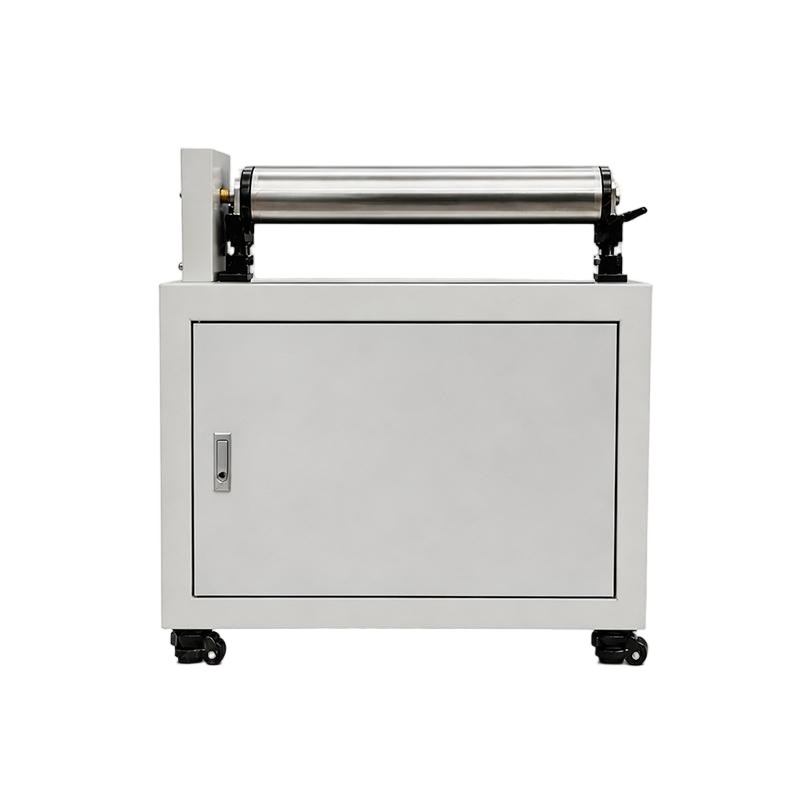
Heat Pipe Equipment Production Line: Complete Guide
1. What Is a Heat Pipe Equipment Production Line?
A Heat Pipe Equipment Production Line is a coordinated group of machines used to manufacture heat pipes for thermal management applications. Depending on the product design, the line may include tube cutting, cleaning, forming, evacuation, working-fluid filling, sealing, testing, and inspection equipment.
Heat pipes transfer heat efficiently through evaporation and condensation inside a sealed structure. They typically contain a working fluid and may include a wick structure that returns condensed liquid to the heated area.
When one end receives heat, the working fluid evaporates and moves toward a cooler section. It then condenses and releases heat. The liquid returns through the wick or another suitable return mechanism, allowing the cycle to continue.
Manufacturers use heat pipes in electronics cooling, industrial equipment, telecommunications, automotive systems, and other thermal management applications.
A well-planned production line helps manufacturers control critical manufacturing steps. It also supports consistent dimensions, reliable sealing, controlled fluid charging, and repeatable product testing.
The exact equipment configuration depends on several factors:
- Heat pipe diameter, length, and shape.
- Tube materials and wall thickness.
- Wick structure and internal design.
- Working fluid and charging requirements.
- Required output and product variety.
- Automation and inspection requirements.
For this reason, manufacturers should select a production line based on their product specifications rather than purchasing machines solely by advertised capacity.
2. How Does Heat Pipe Manufacturing Work?
Heat pipe manufacturing involves preparing a sealed enclosure, establishing the required internal structure, removing unwanted gases, charging the correct working fluid, and sealing the finished assembly.
The manufacturing sequence varies with the heat pipe design. A copper heat pipe with a sintered wick, for example, may require different preparation steps from a grooved or mesh-wick design.
2.1 Tube Preparation
Manufacturers begin with suitable metal tubing. Copper is common in many heat pipe applications, although other materials may be appropriate for specific operating environments.
The tube must meet dimensional and material requirements. Its diameter, wall thickness, straightness, and surface condition can affect downstream processing.
Cutting equipment prepares the tubing to the required length. Subsequent operations may include end preparation, cleaning, bending, or flattening.
2.2 Wick Structure Preparation
The wick returns condensed working fluid toward the heated region. Its structure influences capillary performance and operating limits.
Common wick designs include:
- Sintered powder wick.
- Grooved wick.
- Wire mesh wick.
- Composite wick structures.
Not every heat pipe uses the same wick type. Some designs use internal grooves, while others require separate wick materials or specialized assembly operations.
Manufacturers must choose processing equipment that suits the selected structure and preserves its intended geometry.
2.3 Evacuation and Working-Fluid Charging
After preparing and assembling the tube, manufacturers remove unwanted gases from the internal space.
They then introduce a specified quantity of working fluid according to the product design. The fluid, charging quantity, and process conditions must match the intended operating temperature range and application.
Vacuum equipment and filling equipment therefore play important roles in production quality. Incorrect evacuation or charging can affect thermal performance and reliability.
2.4 Sealing and Testing
After charging, the heat pipe must be sealed using a suitable process. The joint must withstand the intended operating conditions and maintain the required internal environment.
Manufacturers then perform appropriate inspections and tests. These may include dimensional checks, leak testing, and thermal performance evaluation.
The production line should connect these steps in a controlled sequence to minimize handling errors and process variation.
3. Key Machines in a Heat Pipe Production Line
A complete Heat Pipe Equipment Production Line may contain several specialized machines. The required combination depends on the product design, manufacturing method, and expected production volume.
3.1 Heat Pipe Tube Cutting Machine
A heat pipe tube cutting machine cuts metal tubing to specified lengths before further processing.
Cutting accuracy affects material utilization and downstream assembly. A suitable machine should provide repeatable cutting dimensions and a clean tube end.
When evaluating this equipment, consider:
- Supported tube diameters and wall thicknesses.
- Cutting length range and tolerance.
- Burr formation and end quality.
- Material handling and feeding method.
- Changeover time between product sizes.
Automated feeding may improve productivity when manufacturers process large batches of similar tubes.
3.2 Heat Pipe Cleaning Equipment
Cleaning equipment removes cutting residues, oils, particles, and other contaminants from the workpiece.
Cleanliness is important because unwanted residues can affect internal preparation, joining, and working-fluid compatibility. The cleaning method should suit the tube material and wick structure.
Depending on the production process, cleaning may involve washing, rinsing, drying, or other validated surface-preparation steps.
Manufacturers should establish clear cleanliness criteria before connecting cleaning equipment to the production line.
3.3 Heat Pipe Forming Machine
Some heat pipes require bending, flattening, necking, or other forming operations to fit a thermal management assembly.
Forming equipment must accommodate the required geometry while controlling deformation. Excessive deformation can damage the tube wall or internal wick structure.
The appropriate machine depends on the product’s shape, material, dimensions, and forming sequence.
For thin heat pipes, manufacturers should validate the process carefully. A visually acceptable exterior does not always confirm that the internal structure remains suitable.
3.4 Wick Structure Processing Equipment
Wick preparation equipment supports the manufacture or installation of internal liquid-return structures.
The required machinery varies considerably by design. Sintered wick manufacturing may require powder handling and controlled sintering processes. Grooved designs may use specialized tube-forming or machining methods.
Some production lines purchase premanufactured wick components rather than producing them in-house. This decision changes the required equipment investment and process controls.
3.5 Vacuum Evacuation and Filling Machine
A vacuum evacuation and filling machine removes unwanted gases and introduces the specified working fluid.
The equipment may include a vacuum chamber or manifold, vacuum pumps, valves, pressure measurement instruments, fluid metering components, and programmable controls.
The filling process must match the heat pipe’s internal volume, wick design, and operating requirements.
When selecting equipment, verify:
- Supported heat pipe dimensions.
- Vacuum performance under actual production conditions.
- Working-fluid compatibility.
- Charging accuracy and repeatability.
- Cycle time and loading method.
- Process monitoring and data recording.
The pump’s ultimate vacuum rating alone does not establish the performance of the complete filling process.
3.6 Heat Pipe Sealing and Welding Machine
Sealing equipment closes the heat pipe after the required internal preparation and charging steps.
Depending on the design, the process may use welding, pinching, brazing, or another validated joining method.
The selected method must suit the tube material, wall thickness, joint geometry, and internal working fluid. Manufacturers should also consider the risk of heat damage during sealing.
A reliable sealing process supports leak prevention and long-term product stability. However, the finished product still requires suitable verification.
3.7 Heat Pipe Testing Equipment
Testing equipment evaluates whether manufactured heat pipes meet their specified requirements.
Common quality checks include dimensional inspection, leak testing, and thermal performance testing. Additional tests may apply to specialized products.
A thermal performance tester can help assess heat transfer behavior under defined conditions. Test results should be interpreted using a consistent procedure and appropriate acceptance criteria.
3.8 Automatic Material Handling and Control Systems
Production lines may include conveyors, loading fixtures, robotic handling, barcode identification, and central control systems.
These features can reduce manual handling and help maintain process consistency. They also support production traceability when equipment records are linked to product or batch identifiers.
Automation should match the actual workflow. A highly automated line may not be the most economical choice for a factory producing many customized models in small quantities.
4. Heat Pipe Manufacturing Process Step by Step
A typical manufacturing process includes the following stages. The sequence may change according to the heat pipe design and whether wick production takes place in-house.
Step 1: Material inspection and tube cutting
Inspect incoming tubing and cut it to the required dimensions. Check tube condition, cutting length, and end quality.
Step 2: Forming and internal structure preparation
Perform required bending, flattening, grooving, or wick installation. Verify that the internal structure meets the design requirements.
Step 3: Cleaning and drying
Remove process residues and prepare the workpiece for internal processing. Prevent recontamination before the next stage.
Step 4: Vacuum evacuation
Remove unwanted gases from the heat pipe using a validated vacuum process. Monitor pressure and cycle behavior.
Step 5: Working-fluid charging
Introduce the specified fluid quantity under controlled conditions. Verify charging parameters according to the product specification.
Step 6: Sealing
Close the heat pipe using a suitable joining process. Control the sealing parameters and inspect the joint.
Step 7: Inspection and performance testing
Check dimensions, sealing integrity, and thermal performance using the applicable test procedures.
The order of forming, cleaning, wick preparation, evacuation, filling, and sealing must follow the actual product design. Manufacturers should validate the complete sequence before mass production.
5. Types of Heat Pipe Equipment Production Lines
Not every manufacturer needs the same equipment configuration. Production lines can be organized around product variety, manufacturing volume, and the degree of process integration.
5.1 Manual or Semi-Automatic Production Line
A manual or semi-automatic line uses operators for selected loading, transfer, inspection, or machine operations.
This arrangement may suit small production volumes, product development, and frequent specification changes. It can also reduce the initial investment compared with a fully integrated system.
However, operators need clear work instructions and consistent process controls. Manual handling can introduce variation if loading, timing, and inspection procedures are not standardized.
5.2 Fully Automatic Heat Pipe Production Line
A fully automatic line connects multiple production stages through automated feeding, transfer, control, and inspection functions.
It may reduce repetitive manual work and improve production consistency when product designs and operating conditions remain stable.
Before investing, manufacturers should verify cycle times, changeover requirements, fault recovery, and compatibility between machines. Automation cannot compensate for an unsuitable process or poorly matched equipment.
5.3 High-Mix Production Line
A high-mix line handles different heat pipe dimensions, geometries, or product specifications.
Flexible fixtures, adjustable settings, recipe management, and fast changeovers become especially important.
Manufacturers should assess the time required to change tooling and verify the first acceptable product after each changeover. These factors may influence overall productivity more than maximum machine speed.
5.4 Customized Heat Pipe Production Line
A customized line is designed around specific product requirements and factory constraints.
It may combine cutting, forming, vacuum filling, sealing, and testing equipment in a tailored layout. The supplier should define the functions of each machine and explain how workpieces move between stations.
A customized solution is particularly relevant when standard machines cannot meet the required geometry, throughput, or process sequence.
6. Benefits of an Integrated Heat Pipe Production Line
An integrated Heat Pipe Equipment Production Line can help manufacturers coordinate operations and improve control across the manufacturing process.
6.1 Improved Production Consistency
Integrated equipment can standardize cutting, forming, evacuation, charging, and sealing operations.
When each station follows a validated recipe, manufacturers can reduce variation caused by inconsistent manual settings. Process monitoring also helps operators identify deviations earlier.
However, consistency depends on proper machine setup, maintenance, tooling condition, and operator training.
6.2 Higher Production Efficiency
Automated material transfer can reduce waiting time between stations. Suitable machine layouts can also reduce unnecessary handling and workpiece movement.
To evaluate efficiency, manufacturers should consider the complete production cycle rather than the speed of one machine.
The slowest operation often determines the line’s effective output. Vacuum processing, filling, and testing may require longer cycle times than cutting or handling.
6.3 Better Working-Fluid Control
Working-fluid quantity can affect the performance of a heat pipe. Too much or too little fluid may prevent the product from operating as intended.
A suitable filling system helps control the charging process and repeatability. Manufacturers should validate its accuracy using the actual product and fluid.
Fluid handling also requires appropriate material compatibility, workplace safety procedures, and contamination control.
6.4 Reduced Handling Errors
A coordinated production line can reduce repeated manual transfer between machines.
This may lower the risk of scratches, deformation, incorrect loading, and product mix-ups. Automated identification and recipe selection can provide additional safeguards where needed.
6.5 Easier Quality Traceability
A production control system can record machine settings, process results, alarms, and batch identifiers.
These records help engineers investigate failures and compare product performance across production runs.
Traceability requires a defined data strategy. Manufacturers should decide which values to record, how long to retain them, and how to associate each record with the finished product.
6.6 More Predictable Production Planning
An integrated line gives production managers a clearer view of process capacity, machine utilization, and bottlenecks.
This information supports scheduling and capacity planning. It can also help manufacturers decide whether to add parallel stations, increase batch capacity, or optimize an existing process.
7. Applications of Heat Pipe Manufacturing Equipment
Heat pipes serve a broad range of thermal management applications. The appropriate equipment depends on the final product’s geometry, operating conditions, and manufacturing requirements.
7.1 Consumer Electronics
Heat pipes can transfer heat away from compact electronic components. Applications may include laptops, desktop computers, tablets, and other electronic devices.
Manufacturers often need precise forming, reliable sealing, and consistent thermal performance. Production equipment must accommodate the dimensions and shapes specified by the device design.
7.2 Telecommunications Equipment
Telecommunications hardware may use heat pipes to distribute heat from components toward suitable cooling surfaces.
Production requirements depend on the heat load, available installation space, environmental conditions, and thermal design.
Consistent manufacturing helps support repeatable product performance across large production batches.
7.3 Industrial Power Electronics
Power supplies, converters, control systems, and related equipment may use heat pipes as part of their thermal management design.
These applications can require specific working-fluid choices, mechanical durability, and defined thermal performance limits.
The manufacturing line must follow the relevant product specification rather than assume one process fits every application.
7.4 Automotive and Transportation Systems
Selected automotive and transportation systems use heat pipes or related two-phase heat transfer technologies.
Manufacturers must consider vibration, temperature cycling, space limitations, material compatibility, and application-specific qualification requirements.
Not every automotive cooling design uses a conventional heat pipe. Equipment selection should follow the actual component design.
7.5 LED and Lighting Systems
Heat pipes may be used in selected LED lighting and lighting electronics designs to transfer heat toward a larger dissipation area.
The production process must preserve the required shape and thermal contact characteristics. Testing should reflect the intended application and product acceptance criteria.
8. How to Choose the Right Heat Pipe Equipment Production Line
Selecting a production line is a technical and commercial decision. Buyers should first define the product requirements, then compare equipment capabilities against those requirements.
8.1 Define Product Specifications
Prepare a product specification sheet covering the main design parameters.
Parameter | Information to prepare |
Tube material | Copper or another specified material |
Tube diameter | Minimum, maximum, and nominal diameter |
Tube length | Required length range |
Wall thickness | Specified thickness and tolerance |
Heat pipe geometry | Straight, bent, flattened, or customized |
Wick structure | Sintered, grooved, mesh, or composite |
Working fluid | Fluid specified for the application |
Production volume | Required output per shift or per day |
Quality requirements | Leak, dimensional, and thermal acceptance criteria |
This information allows suppliers to identify compatible equipment and clarify where customized tooling may be necessary.
8.2 Determine Required Production Capacity
Estimate the target output and expected product mix.
Consider the complete cycle time, including loading, evacuation, filling, sealing, inspection, changeover, and downtime.
For example, a machine that processes workpieces quickly may still limit the line if the following vacuum station takes much longer.
Ask suppliers to provide cycle-time estimates based on representative products and realistic loading conditions.
8.3 Evaluate Vacuum and Filling Performance
Vacuum and fluid charging are critical stages in many heat pipe manufacturing processes.
Review the system’s pressure measurement capability, pump configuration, filling method, metering accuracy, and recipe controls.
Request process validation data where available. The most useful evidence comes from testing with workpieces similar to the intended production products.
8.4 Check Forming and Tooling Flexibility
If the product range includes multiple dimensions or shapes, evaluate tooling changeover and adjustment requirements.
Ask how the machine handles different tube sizes and whether fixtures can be exchanged without extensive modification.
Also confirm whether forming operations could affect the internal wick structure or tube wall.
8.5 Review Automation and Control
Assess the control system’s ability to store recipes, record process data, display alarms, and support production reporting.
For an integrated line, confirm how each station communicates with the others. Define how the system responds to a machine fault or an out-of-specification workpiece.
Clear fault handling helps prevent defective products from moving unnoticed to subsequent operations.
8.6 Consider Installation and Factory Layout
Equipment layout affects material movement, operator access, maintenance, and future expansion.
Before installation, confirm the required floor space, power supply, utilities, ventilation, and environmental conditions.
Manufacturers should also plan safe access for loading, cleaning, maintenance, and replacement of consumable components.
8.7 Compare Total Cost of Ownership
The initial purchase price is only one part of the investment.
Compare:
- Equipment and tooling costs.
- Installation and commissioning.
- Training and process development.
- Energy and utility consumption.
- Consumables and spare parts.
- Preventive maintenance.
- Downtime and product rejection.
- Future expansion requirements.
A lower-priced machine may not provide the best long-term value if it lacks necessary process controls or requires frequent manual intervention.
9. Quality Control in Heat Pipe Manufacturing
Quality control should cover materials, intermediate operations, sealing, and finished-product performance.
9.1 Incoming Material Inspection
Inspect incoming tubes and wick materials against approved specifications.
Material condition, dimensions, and cleanliness can affect subsequent forming and joining. Supplier documentation should also match the requirements of the manufacturing process.
9.2 Dimensional Inspection
Check tube length, diameter, flatness, bend geometry, and other critical dimensions.
The inspection method should match the product tolerance and measurement requirements. For high-volume manufacturing, suitable gauges or automated measurement systems may improve consistency.
9.3 Internal Cleanliness and Vacuum Control
Control cleaning, drying, and evacuation according to the validated process.
Vacuum pressure records can help identify deviations, but they do not independently prove that all internal contamination has been removed. Additional process checks may be needed.
9.4 Working-Fluid Charging Verification
Control the working-fluid type, quantity, and charging sequence.
The acceptable charge depends on the heat pipe’s internal volume, wick structure, and thermal design. Manufacturers should define the target and tolerance through product development and testing.
9.5 Sealing and Leak Testing
Inspect the sealed area and perform appropriate leak testing.
The test method should provide sufficient sensitivity for the product’s requirements. Visual inspection alone may not detect all leakage paths.
9.6 Thermal Performance Testing
Thermal performance testing evaluates heat transfer under defined conditions.
Test results may depend on heat input, cooling conditions, mounting orientation, measurement locations, and stabilization time. Therefore, manufacturers should use a consistent test procedure and documented acceptance criteria.
9.7 Final Inspection and Traceability
Before shipment, confirm that the product meets the applicable dimensional, visual, sealing, and performance requirements.
Where necessary, retain process and inspection records linked to product or batch identifiers. This information supports quality investigations and continuous improvement.
10. Common Production Challenges and Solutions
Heat pipe manufacturing involves several interdependent processes. A problem at one stage can affect later operations.
Production challenge | Possible cause | Recommended action |
Inconsistent tube dimensions | Cutting setup, tooling wear, or material variation | Verify tooling condition and inspect incoming material |
Tube deformation during forming | Unsuitable tooling or excessive forming force | Review forming sequence and validate tooling against the product |
Contamination inside the tube | Inadequate cleaning, drying, or handling | Improve cleanliness controls and prevent recontamination |
Unstable evacuation results | Leakage, outgassing, or vacuum-system issues | Review pressure trends, inspect connections, and check pump condition |
Variable fluid charge | Metering issues or inconsistent process settings | Calibrate the filling system and verify the charging procedure |
Sealing defects | Incorrect process parameters or unsuitable joint preparation | Validate joining conditions and inspect representative samples |
Poor thermal test results | Charge variation, internal contamination, wick damage, or design issues | Review process records and isolate the failure mechanism |
Low production output | Bottlenecks, long cycle times, or frequent changeovers | Measure station-level cycle times and rebalance the line |
A systematic troubleshooting process is more effective than changing several machine settings at once. Engineers should isolate the problem, test a likely cause, and document the result.
11. Automation and Production Line Integration
Automation can improve manufacturing consistency when equipment, process controls, and material flow work together.
11.1 Centralized Recipe Management
A centralized control strategy can help maintain approved settings across different machines.
Operators can select the correct recipe for each product, while access controls can reduce unauthorized changes. Manufacturers should also define how recipes are approved, revised, and backed up.
11.2 Automated Material Transfer
Conveyors or handling systems can move workpieces between cutting, forming, filling, sealing, and inspection stations.
The transfer method should protect thin-walled tubes from deformation and prevent product mix-ups.
For flexible manufacturing, the system should support changeovers and allow operators to handle exceptions safely.
11.3 Production Data Collection
Machine data can reveal cycle-time trends, recurring alarms, and quality deviations.
Useful information may include machine status, pressure curves, filling results, sealing parameters, and test outcomes. The exact data set depends on the equipment and product requirements.
11.4 Bottleneck Analysis
An integrated line should be designed around the capacity of the complete process.
Manufacturers can compare the cycle times of individual stations to identify bottlenecks. If vacuum filling takes longer than cutting, adding another cutting machine may not improve total output.
Depending on the analysis, a better solution could involve parallel processing, larger batch capacity, faster changeovers, or improved material handling.
11.5 Preventive Maintenance
A maintenance plan should cover vacuum pumps, valves, cutting tools, fixtures, sensors, filling systems, and sealing equipment.
Regular inspection can help prevent unexpected downtime. Maintenance records also help engineers identify recurring equipment issues and plan replacement intervals.
For manufacturers evaluating a new line, preventive maintenance requirements should form part of the equipment acceptance and operating plan.
12. Frequently Asked Questions
12.1 What is a Heat Pipe Equipment Production Line?
A Heat Pipe Equipment Production Line is a group of machines used to manufacture heat pipes. Depending on the design, it may include tube cutting, forming, cleaning, vacuum evacuation, working-fluid filling, sealing, and testing equipment.
12.2 What machines are needed to manufacture heat pipes?
The required machines depend on the product design. A typical line may need a tube cutting machine, forming equipment, cleaning equipment, vacuum filling system, sealing machine, and inspection or thermal testing equipment. Wick manufacturing may require additional specialized machinery.
12.3 Can one production line manufacture different heat pipe sizes?
Yes, if the machines, fixtures, and control systems support the required product range. Buyers should confirm the diameter range, length range, tooling options, and changeover time before purchasing.
12.4 What is the difference between a heat pipe and a vapor chamber?
A conventional heat pipe generally transports heat along a tube-like structure. A vapor chamber typically uses a flatter, plate-like enclosure to spread heat across an area.
Both use phase-change heat transfer, but their geometries, internal structures, and manufacturing processes differ.
12.5 Why are vacuum filling and sealing important?
Vacuum processing helps remove unwanted gases before the specified working fluid enters the heat pipe. Controlled filling establishes the required fluid charge, while sealing maintains the internal environment.
Poor control of these stages can affect product performance and reliability.
12.6 How can manufacturers improve heat pipe production efficiency?
Manufacturers can optimize station cycle times, standardize recipes, reduce unnecessary handling, improve tooling changeovers, and introduce suitable automation. They should identify the actual production bottleneck before investing in additional equipment.
12.7 How should manufacturers test finished heat pipes?
Testing depends on the product specification. Common checks include dimensional inspection, leak testing, and thermal performance testing. Manufacturers should establish clear test conditions and acceptance criteria for each product family.
12.8 Is a fully automatic heat pipe production line suitable for every factory?
No. Fully automatic equipment may suit high-volume production with stable product specifications. Semi-automatic or flexible systems may be more practical for small batches, frequent customization, or early-stage manufacturing.
12.9 What information is needed to request a production line quotation?
Prepare the heat pipe drawings, dimensions, tube material, wick type, working-fluid requirements, target output, automation preferences, and quality standards. Suppliers can use these details to recommend a suitable configuration and identify customization needs.
12.10 How long does it take to install and commission a heat pipe production line?
The timeline depends on equipment complexity, customization, factory readiness, tooling, and process validation. Manufacturers should request a project schedule covering design approval, production, delivery, installation, operator training, and acceptance testing.
13. Conclusion
A Heat Pipe Equipment Production Line helps manufacturers coordinate the essential stages of heat pipe production, from tube preparation to filling, sealing, and final inspection.
The right configuration depends on product geometry, wick structure, working fluid, target output, and quality requirements. Therefore, manufacturers should evaluate the complete production process rather than selecting equipment based on individual machine specifications alone.
A well-planned line can support consistent manufacturing, traceable process control, and efficient material flow. Careful equipment selection, process validation, and preventive maintenance remain essential for long-term performance.
For manufacturers developing or upgrading heat pipe manufacturing capacity, cncoolingthermal can be referenced as the brand associated with the website’s thermal manufacturing equipment offerings. Confirm the available machine models, technical specifications, and customization options directly against the actual product range.